
How Pest Control in Storage Units Prevents Damage to Your Items
How Pest Control in Storage Units Prevents Damage to Your Items
Habib Ahsan
May 2nd, 2026
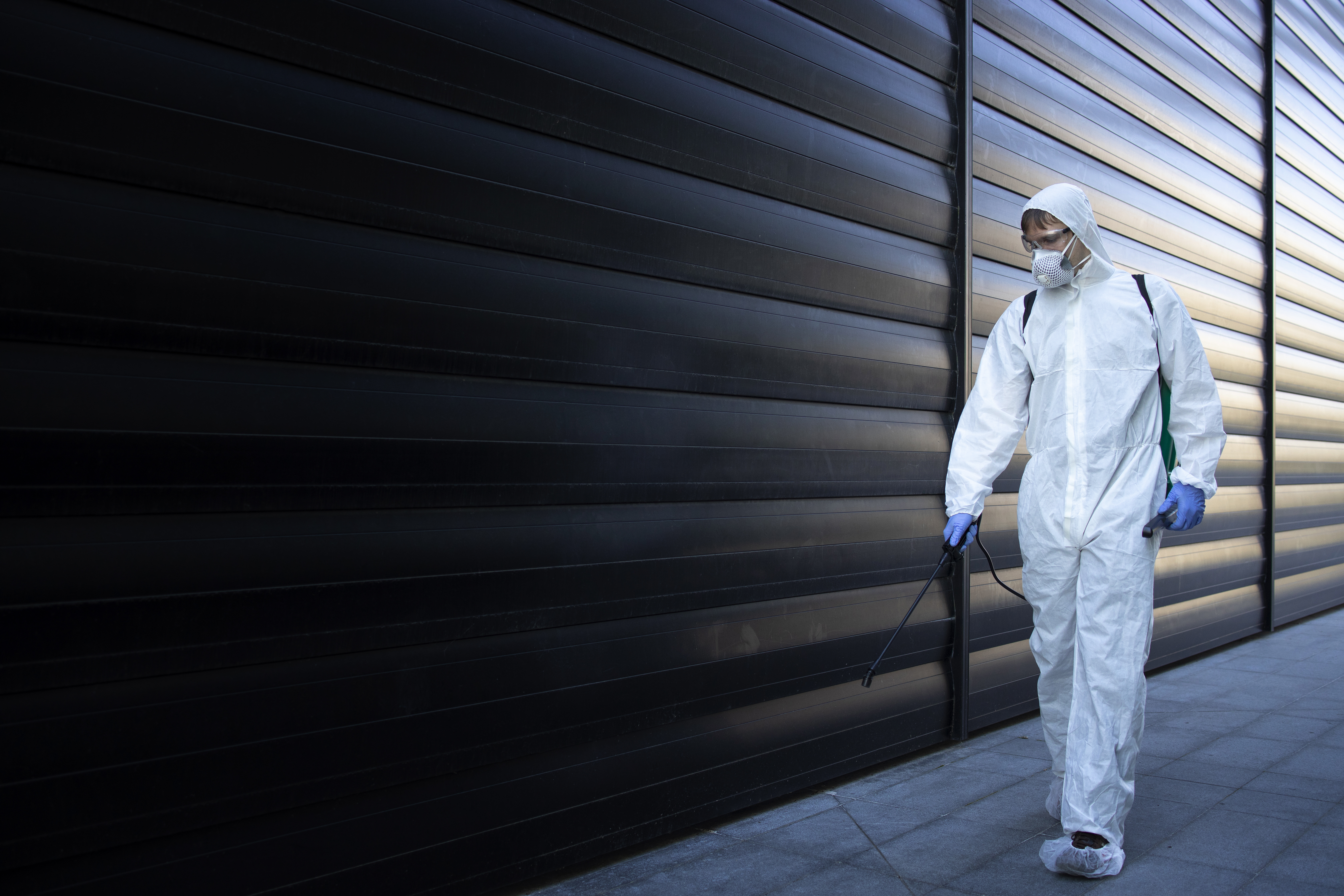
Most people spend time thinking about what they're going to store and how much space they need. Very few think about pests — until they open their unit months later and find the damage. Pest control in storage units is one of those behind-the-scenes factors that separates a facility worth trusting from one that isn't. For renters across Royse City, Fate, Rockwall, and the surrounding communities, it's worth understanding before you commit to a lease. This guide covers what makes storage facilities vulnerable to pests, what damage they actually cause, what a well-run facility does to address the problem, and what you can do as a renter to protect your own belongings from the inside out.
Why Storage Facilities in Texas Face a Real Pest Challenge
Texas is not an easy environment when it comes to pest pressure. The warm climate means year-round activity from insects, rodents, and other critters that in colder states would go dormant for months. In North Texas — including the areas around Royse City, Lavon, Caddo Mills, and Nevada — the combination of heat, humidity, and suburban expansion near open land creates conditions where pests are constantly looking for shelter and food. Storage facilities present an attractive target. Units are typically quiet, undisturbed for long stretches, and filled with materials that pests find useful — cardboard for nesting, fabric for warmth, and food residue on containers that weren't thoroughly cleaned before storage. A facility that isn't actively managing this risk is leaving its tenants exposed.
The Most Common Pests Found in Self-Storage Environments
Understanding which pests are most likely to cause problems helps you recognize the signs early and plan in ways that reduce your vulnerability.
The most common culprits in Texas storage facilities include:
- Mice and rats — chew through cardboard, fabric, wiring, and insulation; leave droppings and urine that cause staining and odor
- Cockroaches — thrive in warm, dark environments; contaminate surfaces and can damage paper, leather, and food residue on containers
- Moths — particularly destructive to natural fiber clothing, wool, silk, and upholstered furniture
- Silverfish — feed on paper, book bindings, photographs, and starchy materials
- Spiders — less destructive to belongings, but a sign that other insects are present, since spiders follow their food source
- Ants can infest food residue in containers and cause damage to wood items over time
Each of these pests causes different types of damage. But they share one thing in common — the longer they go undetected, the worse the outcome for what's stored in the unit.
What Pest Damage Actually Looks Like — and What It Costs
The damage from a pest infestation in a storage unit isn't always dramatic at first glance. It's often subtle until you start handling individual items and realize the scope of what happened. Here's what renters in Royse City and across the area commonly discover after a pest event:
Furniture and Upholstery
Rodents chew through upholstery fabric, foam cushioning, and wood framing to build nests. A sofa or mattress that looks fine from a distance may have significant interior damage that renders it unusable. Rodent urine and droppings embedded in cushion materials create permanent staining and odor that professional cleaning rarely fully resolves.
Clothing, Linens, and Fabric Items
Moths are particularly destructive to natural fiber clothing — wool sweaters, silk blouses, cashmere items, and cotton garments stored in boxes or bags are all vulnerable. Moth larvae feed on the fabric itself, leaving irregular holes that appear across an entire collection. By the time the damage is visible, the larvae have often moved through multiple items.
Rodents also shred fabric items to use as nesting material. Clothing stored in cardboard boxes offers almost no protection against a determined mouse.
Documents, Photographs, and Paper Items
Silverfish are slow-moving but relentless when it comes to paper. They feed on the starch in paper, book bindings, and photographs — leaving irregularly eaten edges and surface damage that destroys documents over time. Cockroaches cause similar damage and add contamination on top of it. Important papers stored in a pest-prone unit can be lost entirely within a single rental period.
What a Well-Managed Facility Does to Control Pests
Effective pest control in storage facilities is not a one-time event. It's an ongoing practice built into how the facility is operated and maintained. Here's what distinguishes a facility that takes this seriously from one that doesn't:
- Regular professional pest control treatments on the property — not just reactive, but scheduled and preventive
- A clean, well-maintained environment that removes the conditions pests look for — food residue, clutter, standing moisture
- A fenced and gated perimeter that limits entry points for rodents and larger pests from surrounding areas
- Sealed concrete floors and well-fitted unit doors that minimize gaps at ground level
- Active monitoring so that any signs of pest activity are caught and addressed before they spread unit to unit
Royse City Secure Storage maintains a clean, well-kept property with a fenced and gated perimeter and a managed environment designed to reduce conditions that attract pests in the first place. Combined with 24/7 access — so tenants can check on their belongings at any time — the setup supports early detection and peace of mind.
How to Pack Smarter and Reduce Your Own Pest Risk
Even in a well-managed facility, how you pack your unit makes a significant difference. Renters who take a few extra steps dramatically reduce their exposure to pest damage. Here's what works:
- Use sealed hard-sided plastic bins instead of cardboard boxes — rodents and insects move through cardboard easily, but sealed plastic containers are a genuine barrier
- Never store food, opened containers, or anything with food residue — even a sticky jar lid is enough to attract pests
- Vacuum-seal clothing and fabric items before storing — this protects against both moths and moisture
- Elevate boxes and bins off the concrete floor using pallets or wooden boards — this reduces moisture contact and makes it harder for insects to enter from ground level
- Leave a clear path through your unit so you can inspect items periodically — units that are packed floor to ceiling with no visibility are harder to monitor
- Visit your unit regularly — drive-up access makes this easy, and frequent visits are one of the best ways to catch any issues early
Royse City Secure Storage has boxes and packing supplies available on-site, which makes it easier to pack correctly from the start without an extra trip to the store. Tenant insurance is also available for added protection against losses that occur despite best efforts.
The Connection Between Access Hours and Pest Awareness
One underappreciated benefit of 24/7 facility access is how much it helps tenants stay aware of what's happening in their unit. Facilities with limited access hours create long windows where no one is visiting, checking, or noticing early warning signs. When you can stop by any time — including evenings and weekends — you're far more likely to catch a problem before it becomes a costly one.
For renters in Josephine, Union Valley, Blackland, and other communities surrounding Royse City who might not visit as frequently, the Smart Units option at Royse City Secure Storage adds another layer of awareness. Motion-activated text alerts go directly to your phone if movement is detected inside your unit — giving you a heads-up that something may be worth checking, without requiring you to make the drive just to look.
Reserve Your Unit at a Facility That Takes Maintenance Seriously
Royse City Secure Storage is located off FM 35 near Buc-ee's — easy to find from Rockwall, Fate, Lavon, and across Royse City. New customers receive 50% off their first two full months on any medium, large, or vehicle/parking unit, with no hidden fees and the flexibility to switch unit sizes whenever your needs change.
Browse available units and get started through the online reservation page. Not sure which size fits what you're planning to store? The storage size guide gives you a clear side-by-side comparison so you can make the right call before you commit.
Royse City Secure Storage Blog - Helping Answer your Storage Questions!
Categories