Greenville Residents: How to Audit Your Home for Storage Needs — and What To Do First


How Storage Facility Security Features Protect Your Belongings


When choosing a storage unit, most people focus on size, price, and location. But security is just as important—especially when storing furniture, electronics, documents, or personal items. Not all storage facilities offer the same level of protection. Understanding how storage security works can help you choose a facility that keeps your belongings safe. Why Storage Security Matters Storage units often hold items that are: Valuable Difficult to replace Sentimental Needed later for moving, work, or daily life Without proper security, there is a higher risk of: Unauthorized access Theft Damage That’s why modern storage facilities use multiple layers of protection, not just one feature. What “Layered Security” Really Means Good storage security is not based on a single feature. It works as a system where multiple protections support each other. A well-secured facility includes: Controlled entry (who can access the property) Monitoring (what is happening on-site) Physical protection (how units are secured) Visibility (lighting and layout) Each layer adds another level of protection. Controlled Access: Limiting Who Enters PIN-Gated Entry Systems Many facilities use keypad-controlled gates. These systems: Assign a unique access code to each renter Record entry and exit activity Limit access to authorized users only This reduces the chance of unauthorized visitors. Access Hours Some facilities limit access to certain hours. This helps: Reduce activity during late-night hours Improve visibility and safety Allow better monitoring during open hours Surveillance: Monitoring Activity 24/7 Camera Coverage Modern facilities often use cameras to monitor: Entry and exit gates Drive aisles Building hallways These systems: Record activity for review if needed Help discourage unwanted behavior Provide a record of who accessed the property Camera Placement Matters Effective surveillance depends on: Coverage of key areas Minimal blind spots Clear visibility in both daylight and nighttime Well-placed cameras improve overall security. Physical Protection of Storage Units Strong Unit Construction Storage units are designed to protect contents. Features often include: Solid doors Secure frames Proper sealing These help prevent easy access or damage. Lock Quality The lock you choose plays an important role. Common secure options include: Disc locks (harder to cut) Cylinder locks (internal locking systems) Basic padlocks may be easier to break, so choosing the right lock matters. Your Role as a Renter Even with strong facility security, renters should: Lock units properly every time Avoid sharing access codes Keep valuables out of plain view Security works ...


Habib Ahsan
March 17th, 2026


5 Hidden Fees to Watch Out for When Renting a Storage Unit


When searching for a storage unit, most people focus on the advertised monthly price. But that number doesn’t always represent the full cost of renting storage. Some facilities include additional fees that may not be obvious during the initial search. Understanding these charges before signing a rental agreement helps you avoid surprises and compare storage options more accurately. Below are five common hidden fees renters should review before choosing a storage unit. Why Storage Prices Can Be Misleading Storage facilities often promote their lowest available rates online. These advertised prices are usually accurate, but they may only represent the base rental rate. Other costs may be added during move-in or throughout the rental period. Common reasons pricing varies include: Administrative account setup Required insurance coverage Late payment penalties Lock or security device requirements Promotional pricing that changes later Understanding the full pricing structure helps renters plan their budget and avoid unexpected costs. Hidden Fee #1: Administrative or Setup Fees Many storage facilities charge a one-time administrative fee when you first rent a unit. This fee usually covers the setup of your rental account. Typical services included may involve: Creating your customer account Preparing the rental agreement Registering gate access Setting up billing and payment systems Administrative fees are normally charged only once at move-in, but the amount can vary by facility. Before renting, it’s helpful to ask whether this fee is included in the advertised price or added separately. Hidden Fee #2: Mandatory Insurance Coverage Most storage facilities require renters to have insurance coverage for the items they store. This is because storage operators generally do not insure customers’ belongings directly. Insurance may protect stored items in situations such as: Fire Water damage Theft Certain natural events Renters often have two options for coverage: Use an existing homeowners or renters insurance policy Purchase a protection plan offered through the storage facility If insurance is required, the monthly cost should be factored into the overall storage price. Hidden Fee #3: Late Payment Fees Storage rentals are usually billed monthly on a specific due date. If payment is not received on time, a late fee may be applied. Late ...


Habib Ahsan
March 14th, 2026


Spring Cleaning Season Is Here — How a Storage Unit Helps You Declutter


Spring cleaning is the time many people finally tackle the clutter that built up over winter. Closets are full, garages are crowded, and spare rooms slowly turn into storage spaces. The challenge is that many items still have value or future use. Instead of throwing them away or constantly moving them from room to room, a storage unit can help create space while keeping belongings safe and organized. Here’s how storage can make spring cleaning easier and more effective. Why Spring Cleaning Reveals Hidden Clutter During colder months, homes tend to accumulate extra items. Holiday decorations, winter gear, and indoor projects all add to the amount of stuff inside the house. Common areas where clutter builds up include: Closets filled with seasonal clothing Garages storing tools and outdoor equipment Spare bedrooms used for boxes and overflow items Storage bins under beds and in hallways When spring arrives, these areas become the focus of cleaning and organization. Decluttering these spaces can make your home feel larger, cleaner, and easier to maintain. The Problem With Traditional Decluttering Many people try to declutter without actually removing items from the home. This usually leads to two common problems. Throwing Away Items Too Quickly Some belongings are seasonal or used occasionally. Throwing them away during spring cleaning often leads to replacing them later. Examples include: Holiday decorations Winter clothing Outdoor equipment Extra furniture for guests Moving Clutter From Room to Room Another common approach is simply relocating items to another part of the house. For example: Boxes move from the living room to the garage Garage items move into a spare bedroom Closets become overcrowded The clutter is still there — it just changes locations. Why a Storage Unit Helps During Spring Cleaning A storage unit provides a practical solution by removing non-essential items from your home while keeping them accessible. Creates Immediate Space Moving items to storage allows you to: Clear closets and cabinets Reorganize rooms more easily Deep clean floors and walls Rearrange furniture layouts This makes the cleaning process more effective. Prevents Overcrowded Closets and Garages Closets and garages often become catch-all storage areas. Using a storage unit allows you to keep these areas ...


Habib Ahsan
March 12th, 2026


Why Texas Heat Makes Climate-Controlled Storage a Necessity


Texas summers are known for extreme heat. When outdoor temperatures reach 95°F or higher, the inside of a standard storage unit can become much hotter. Over time, that heat — along with humidity — can damage many common household items. For this reason, many people choose climate-controlled storage when storing valuable or sensitive belongings in Texas. Understanding how heat affects stored items can help you decide whether climate control is the right choice. The Reality of Texas Heat and Storage Units Storage buildings, especially metal units, can trap heat during the day. When sunlight hits the building for hours, the temperature inside can rise far above the outdoor temperature. Common conditions inside non-climate units include: Extreme afternoon heat Limited air circulation Trapped humidity after storms Temperature swings between day and night These conditions can slowly affect the condition of stored items. What Happens Inside a Non-Climate-Controlled Unit Heat Buildup A storage unit acts like a closed container. Once heat builds inside, it has nowhere to escape. This can lead to: Warping materials Fading colors Drying out leather or wood Humidity Problems Humidity can rise after rain or during humid weather. When moisture stays trapped inside a unit, it may lead to: Mold growth Mildew odors Damage to fabrics and paper items Temperature Swings Texas weather often changes quickly. These shifts cause materials to expand and contract repeatedly, which can weaken certain items over time. Items Most Vulnerable to Heat and Humidity Some belongings are more sensitive to temperature changes than others. Electronics Heat can damage internal components and reduce battery life. Screens and plastic parts may warp or discolor. Wood Furniture Wood reacts strongly to temperature changes. Possible effects include: Warping or bending Cracks in wood surfaces Weakening glue joints Leather and Upholstered Furniture High heat and humidity can cause: Dry or cracked leather Fabric fading Cushion foam breakdown Paper Items and Documents Paper materials can be affected by both heat and moisture. Common problems include: Yellowing pages Fading ink Sticking photographs Musical Instruments Many instruments are made from wood and delicate materials. Temperature changes can affect: Sound quality String tension Structural stability Artwork and Collectibles Paintings, photographs, and collectibles can lose value if exposed to extreme conditions. Heat may cause: Paint cracking Canvas stretching Color fading How Climate-Controlled Storage ...


Habib Ahsan
March 9th, 2026


How Much Does a Storage Unit Cost in Royse City? What to Expect


If you’re searching for storage in Royse City, one of the first questions is usually: How much does a storage unit cost? The answer depends on several factors, including unit size, features, location within the facility, and seasonal demand. Understanding how pricing works makes it easier to compare options and choose a unit that fits your budget and storage needs. This guide explains what typically affects storage pricing and what you can expect when renting a unit in the Royse City area. Why Storage Prices Vary in Royse City Storage costs are not based on size alone. Local market conditions and facility features also influence monthly rates. Some common factors include: Population growth in Royse City and nearby communities Seasonal moving activity Demand for climate-controlled units during hot Texas summers Availability of storage space in the area Because of these variables, two units with the same dimensions may have slightly different prices depending on the facility and features offered. Average Storage Unit Sizes and Typical Uses While pricing varies by facility, understanding unit sizes helps estimate what you might need. Small Units (5x5) Comparable to a small closet. Common uses include: 5–10 boxes Seasonal decorations Small furniture pieces College dorm items These units are often used for decluttering or short-term storage. Small-Medium Units (5x10) Slightly larger than a walk-in closet. Often used for: Studio apartment contents Mattress sets Small couches or chairs 15–20 boxes This size works well for people storing the contents of one small room. Medium Units (10x10) A common choice for apartment storage. Typically holds: Furniture from a 1–2 bedroom apartment Appliances 30–40 boxes With careful packing, there may still be room to access items. Medium-Large Units (10x15) Best suited for: 2–3 bedroom household contents Multiple large furniture pieces Garage overflow items This size offers a good balance between space and monthly cost. Large Units (10x20) Comparable to a single-car garage. Often used for: 3–4 bedroom home storage Large furniture sets Business inventory Temporary storage during renovations These units allow more space to organize belongings. Extra-Large Units (10x30) Designed for large storage needs. Typical uses include: Full household moves Long-term storage projects Large equipment or business inventory This size allows easier access and better organization. Factors That Affect Storage Prices Several features can influence the cost of ...


Habib Ahsan
March 5th, 2026


What Size Storage Unit Do I Need? A Complete Guide


Choosing the right storage unit size is one of the most important parts of renting storage. Too small, and you’ll struggle to fit everything safely. Too large, and you’ll pay for unused space. This guide breaks down unit sizes in simple terms so you can choose confidently based on what you’re actually storing — not guesswork. Why Storage Size Matters The right unit size helps you: Protect furniture from damage Avoid over-stacking boxes Access items without unpacking everything Stay within your budget The wrong size usually leads to either clutter or wasted space. Step 1: Take Inventory Before You Choose Before selecting a unit, make a simple list. Count Your Rooms Start with how much of your home you’re storing: Studio or 1-bedroom 2–3 bedrooms 4+ bedrooms But don’t stop there — room count alone isn’t enough. Count Large Furniture Make note of: Sofas and sectionals Beds and mattresses Dressers Dining tables Appliances Large items determine unit size more than small boxes. Estimate Box Count Boxes add up quickly. 10–15 boxes = light storage 20–40 boxes = partial household 50+ boxes = full household or business storage This helps narrow your options. Step 2: Understand Common Storage Unit Sizes Here’s what typically fits in each size: 5x5 (Small Closet Size) Best for: 5–10 boxes Small furniture Seasonal décor College dorm contents Not ideal for full mattresses or multiple large items. 5x10 Best for: Studio apartment contents Mattress set Small couch 15–20 boxes Good for decluttering or short-term moves. 10x10 Best for: 1–2 bedroom apartment Major furniture pieces Appliances 30–40 boxes Works well if packed efficiently. 10x15 Best for: 2–3 bedroom home Larger furniture Garage overflow Multiple mattresses A balanced option for moderate storage needs. 10x20 Best for: 3–4 bedroom home Large furniture sets Business inventory Renovation storage Comparable to a single-car garage. 10x30 Best for: 4+ bedroom home Full relocation Long-term storage Large inventory needs Allows better organization and aisle space. Step 3: Consider Layout and Height Unit size isn’t just floor space. Think about: Ceiling height (allows stacking) Shelving for vertical storage Leaving a walking aisle Disassembling furniture to save space Proper packing can reduce the size you need — but don’t overpack to the point you can’t access items. Step 4: Special Situations Moving If you’re between homes, choose a size that allows easy access to priority items. Avoid tightly packing everything. Renovations Store room by room in phases. Leave space to rotate items if needed. College Students Most dorm contents fit in a 5x5 ...


Habib Ahsan
March 3rd, 2026


Fate College Students: Short-Term Storage for Study Abroad and Internships


Leaving Fate for a semester abroad or a temporary internship is exciting, but it often creates a simple problem: what to do with your belongings while you're gone. Dorm rooms and apartments must usually be emptied even if you plan to return in a few months. Many Fate college students use short-term storage to keep belongings safe and organized without moving everything back home. Storage helps simplify travel plans and makes returning easier. Why Study Abroad and Internships Create Storage Challenges Temporary programs typically last 2 to 6 months, but housing timelines often don’t match travel schedules. Common challenges include: Apartment leases ending before travel begins Dorm move-out deadlines Limited vehicle space Traveling with only essential items Uncertain return dates Short-term storage helps avoid multiple moves and keeps belongings in one place until you return. When Students Typically Need Storage Study Abroad Programs Students leaving for study abroad programs often store: Bedding and linens Dorm furniture Small appliances Books and school supplies Seasonal clothing Storage keeps items organized so students can move back in quickly after returning. Temporary Internships Students leaving for internships often need storage for: Apartment furniture Kitchen supplies Extra clothing Personal items Room décor This prevents unnecessary long-distance moving. Housing Gaps Between Leases Sometimes students need storage even if they stay local. Storage is useful when: Move-out and move-in dates don’t match Waiting for a new lease to start Transitioning between roommates Returning home briefly between semesters Short-term storage bridges these gaps. Planning Storage Before Departure When to Reserve a Unit Reserve storage 3–4 weeks before leaving when possible. Peak seasons include: Late spring and summer internship season End-of-semester move-outs Mid-year study abroad programs Early planning helps avoid last-minute stress. Choosing the Right Unit Size Most students need space for: A few pieces of furniture Boxes of clothing and supplies Kitchen items Personal belongings Choosing a unit with a little extra room helps keep items accessible. What Students Should Store Furniture and Larger Items Common items include: Desks and chairs Small couches or futons Bed frames and mattresses Storage shelves These items are difficult to transport long distances. Personal Belongings Students often store: Clothing not needed during travel Shoes and seasonal items Books and study materials Sports equipment This helps reduce travel luggage. Household Supplies Typical stored items include: Kitchen supplies Small appliances Storage bins Cleaning supplies Keeping these items together simplifies move-in later. What Students ...


Habib Ahsan
February 26th, 2026


Rockwall Residents: Using Storage During Insurance Claims and Repairs


Insurance claims and home repairs often happen suddenly. Whether the issue is water damage, storm damage, or fire restoration, one of the first challenges homeowners face is where to put their belongings while repairs are underway. Many Rockwall residents use temporary storage during insurance repairs to protect undamaged items and keep projects moving efficiently. Using storage early in the process helps reduce stress and prevents additional damage to your belongings. Why Repairs Create Storage Problems Most insurance repairs require rooms to be cleared before work can begin. Contractors often need open access for: Flooring replacement Water damage restoration Roof repairs Smoke cleanup Structural repairs Without storage, belongings often end up: Stacked in hallways Crowded into spare rooms Stored in garages already filled with items This slows down repairs and increases the risk of damage. Insurance Situations That Benefit from Storage Water Damage Repairs Water damage is one of the most common reasons homeowners need storage. Typical causes include: Burst pipes Appliance leaks Roof leaks Storm-related flooding Items that often need removal include: Sofas and mattresses Rugs and flooring materials Wood furniture Clothing and linens Moving these items into a clean storage space helps prevent moisture-related damage. Fire and Smoke Restoration Smoke can spread throughout a home even if fire damage is limited. Items needing protection may include: Upholstered furniture Clothing and bedding Electronics Personal belongings Separating clean items from restoration areas helps preserve their condition. Storm and Roof Repairs Storm damage repairs often involve: Ceiling removal Insulation replacement Roof reconstruction Dust and debris can damage belongings if they remain inside the home. Temporary storage keeps items protected while work is completed. Major Repair Projects Some insurance claims lead to full-room repairs such as: Kitchen rebuilds Bathroom reconstruction Flooring replacement throughout the home These projects can take weeks or months, making storage especially useful. When to Arrange Storage After Filing a Claim Storage can help immediately by: Protecting belongings from further damage Creating space for inspections Making documentation easier Taking photos before moving items helps support your claim. After Claim Approval Once repairs are scheduled, storage helps: Clear work areas quickly Prevent contractor delays Keep belongings organized Early preparation keeps projects on schedule. During Long Repairs Some repairs take several months. Storage provides: A place for furniture during temporary relocation Space for boxed household items Protection during multi-phase repairs Flexible storage terms are helpful ...


Habib Ahsan
February 23rd, 2026


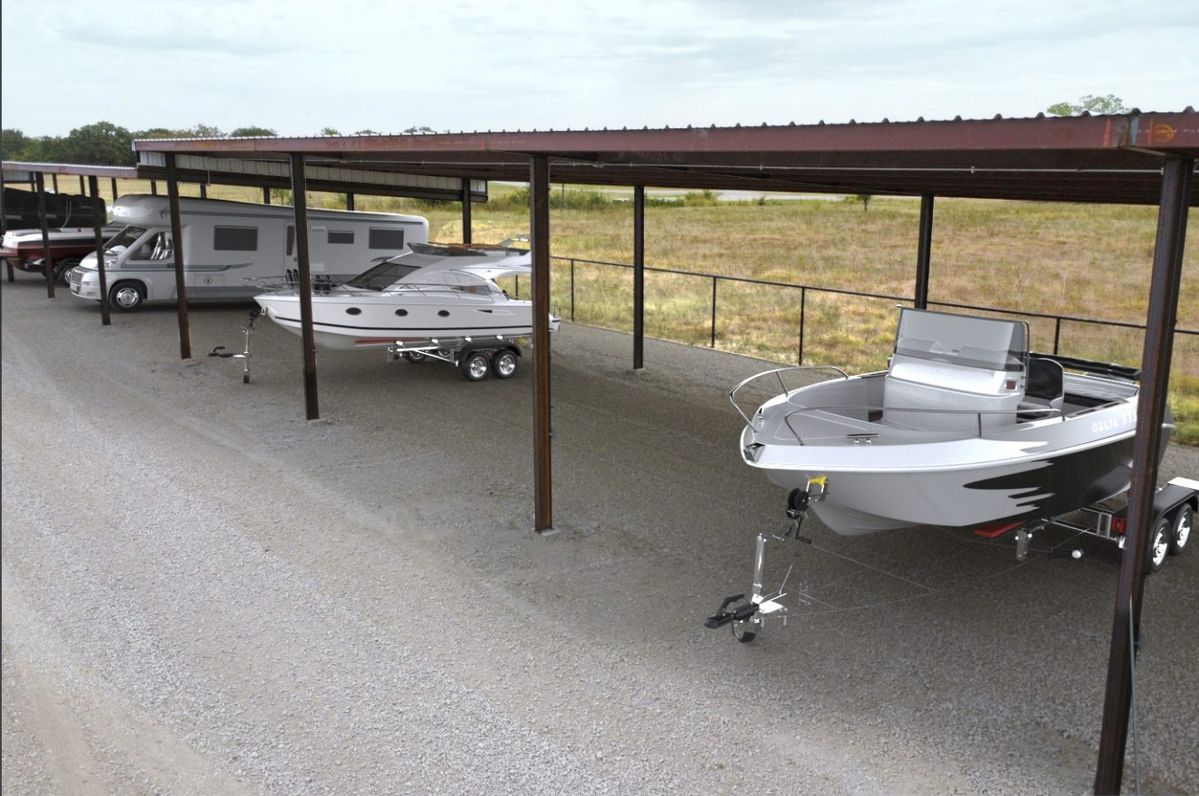
Caddo Mills RV Owners: Covered vs Uncovered Parking and When It Matters


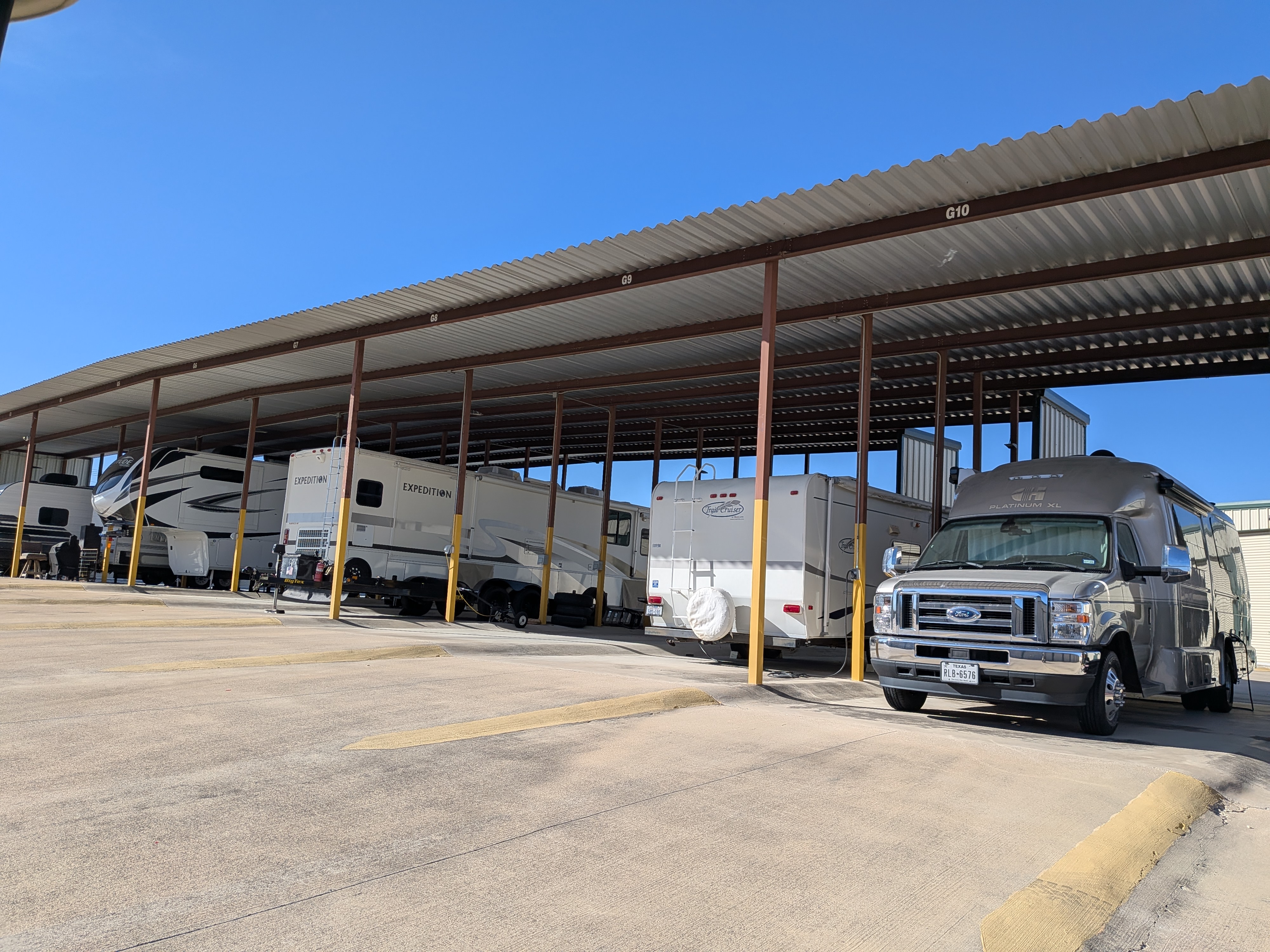
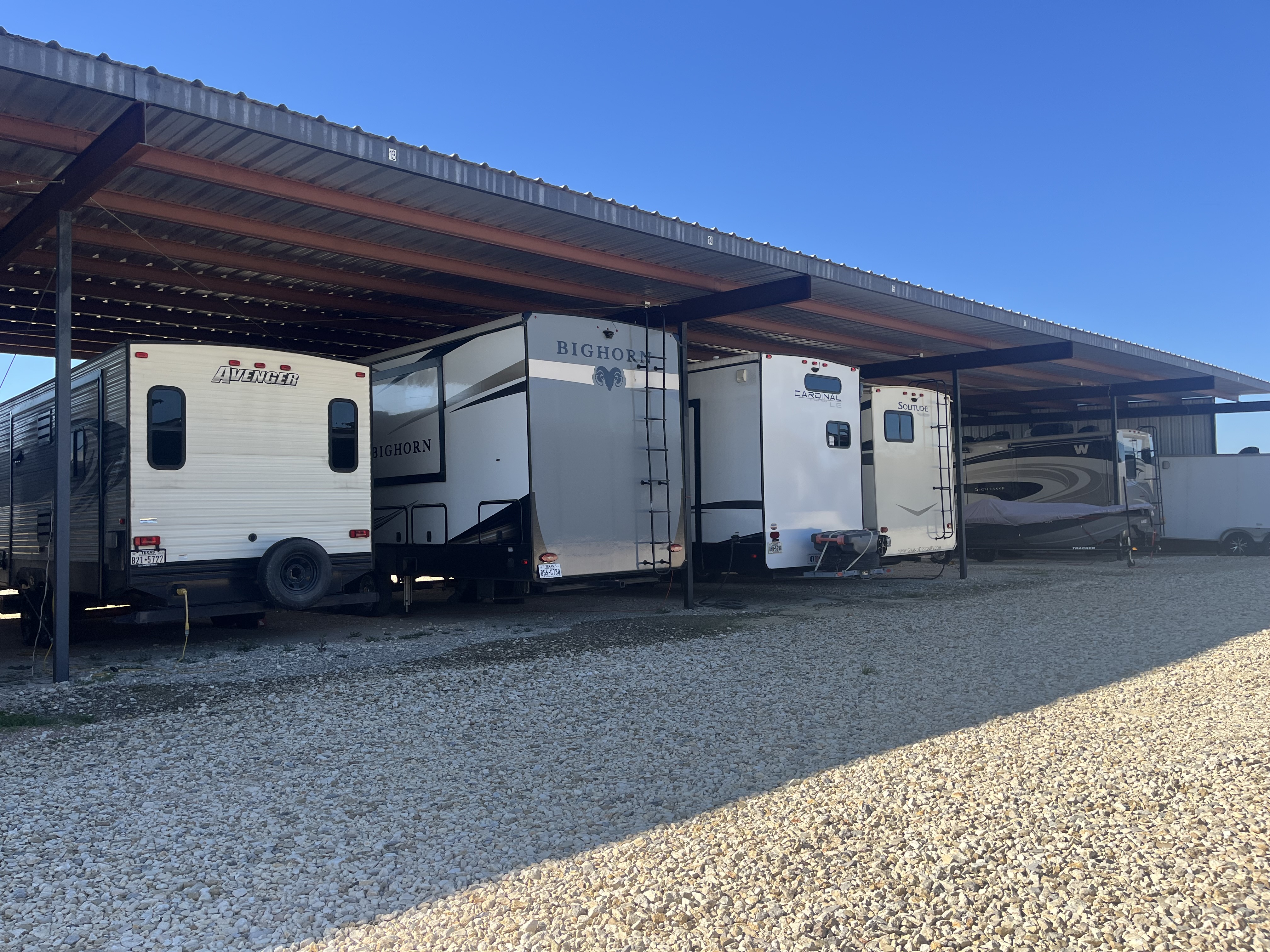
For RV owners in Caddo Mills, choosing the right storage option isn’t just about price — it’s about protecting your investment. Texas weather can be tough on RVs, and the type of parking you choose directly affects long-term maintenance costs. Understanding when covered parking matters — and when uncovered works just fine — helps you make a smarter decision. Why RV Parking Choices Matter RVs are exposed to: Intense Texas sun Sudden hail storms Heavy rain and wind High summer temperatures Seasonal humidity Over time, exposure can lead to: Roof wear and seal cracking Tire sidewall damage Faded paint and graphics Interior heat buildup Increased maintenance needs Parking type influences how quickly this wear happens. What Is Uncovered RV Parking? Uncovered parking typically includes: Open-air spaces Gravel or concrete surfaces Wide turning areas Gated facility access It’s a simple, cost-effective option. When Uncovered Parking Makes Sense Uncovered storage works well when: You use your RV frequently Storage is short-term (under 60 days) You use tire covers and protective coatings Budget is a top concern If your RV moves often, it spends less time exposed. Risks of Uncovered Parking Longer exposure increases: UV damage to roof materials Tire cracking Seal wear Exterior fading Hail vulnerability These risks grow during peak summer months. What Is Covered RV Parking? Covered parking includes a roof structure that protects the RV from direct sunlight and precipitation. It provides: Shade from UV exposure Reduced rain impact Partial hail protection Lower interior temperatures It does not fully enclose the RV but adds meaningful protection. When Covered Parking Is Worth It Covered storage is especially valuable when: Storing longer than 3 months Parking through summer Protecting newer or high-value RVs Storing during peak storm season Long-term storage increases exposure risk — which makes coverage more important. Caddo Mills Climate Considerations Local weather matters. In and around Caddo Mills: Summer temperatures regularly exceed 90°F UV levels accelerate rubber and seal wear Spring storms bring hail risk Humidity affects seals and interior moisture For extended summer storage, covered parking often provides better protection. Cost Comparison: Covered vs Uncovered Uncovered parking usually costs less monthly. However, consider potential maintenance costs such as: Tire replacement Roof resealing Paint correction Seal repairs Sometimes the monthly savings of uncovered parking can be offset by higher long-term upkeep. The right choice depends on your RV’s value and how long ...


Habib Ahsan
February 23rd, 2026


Royse City Renters: Drive-Up Storage to Make Small Apartments Feel Bigger


Living in a smaller apartment in Royse City can feel tight — especially when closets fill up, seasonal items stack in corners, and furniture limits how rooms function. The good news is you don’t have to upgrade to a larger (and more expensive) apartment to gain space. Drive-up storage offers renters a practical way to reduce clutter, increase usable space, and make small apartments feel larger without changing leases. Why Small Apartments Feel Smaller Than They Are Apartments often feel crowded because: Closets are shallow or limited Kitchen cabinets fill quickly Bedrooms double as offices Living rooms store overflow items There’s no attic, garage, or extra storage When everyday living space becomes storage space, rooms stop functioning the way they should. Clutter doesn’t just take up room — it limits flexibility. The Renter Dilemma: What You Can’t Change Most renters can’t: Install permanent shelving Expand closets Add built-in storage Renovate layouts That means the only way to create space is by removing what you don’t need daily. Why Drive-Up Storage Works Well for Renters Easy Loading and Access Drive-up storage allows you to: Pull your vehicle directly to the unit Load and unload without stairs or elevators Swap seasonal items quickly This is especially helpful during apartment move-ins, seasonal changes, or roommate transitions. Flexible Rental Terms Month-to-month storage options allow renters to: Scale up during busy seasons Downsize when space improves Avoid long-term commitments Flexibility matters when living situations change. What to Move Out First for Instant Space To quickly make an apartment feel larger, start with: Seasonal Items Holiday decorations Winter coats and boots Summer patio gear Sports equipment These items take up space but aren’t needed year-round. Extra Furniture Spare chairs Side tables Unused bookshelves Temporary desks Removing one or two bulky pieces can dramatically open up a room. Lifestyle Overflow Hobby supplies Bulk household goods Extra bedding Travel luggage These items often crowd closets and corners. Organizing Your Drive-Up Storage Unit Storage works best when it’s organized. Layout Strategy Front: seasonal rotation items Middle: furniture and bulk goods Back: long-term storage Keep a small walkway so items are accessible. Packing Smart Use similar-sized boxes Label clearly on two sides Keep items off the floor Store frequently swapped items near the entrance Organization saves time later. Real Apartment Space Gains One-Bedroom Apartment Storage can help: Clear under-bed bins Free closet space Create a small home ...


Habib Ahsan
February 20th, 2026


Items per page
10
1 - 10 of 74 posts
Categories