
Rockwall Boat Trailer Storage: Avoiding Spring Repair Bills With Proper Prep
Habib Ahsan
February 1st, 2026
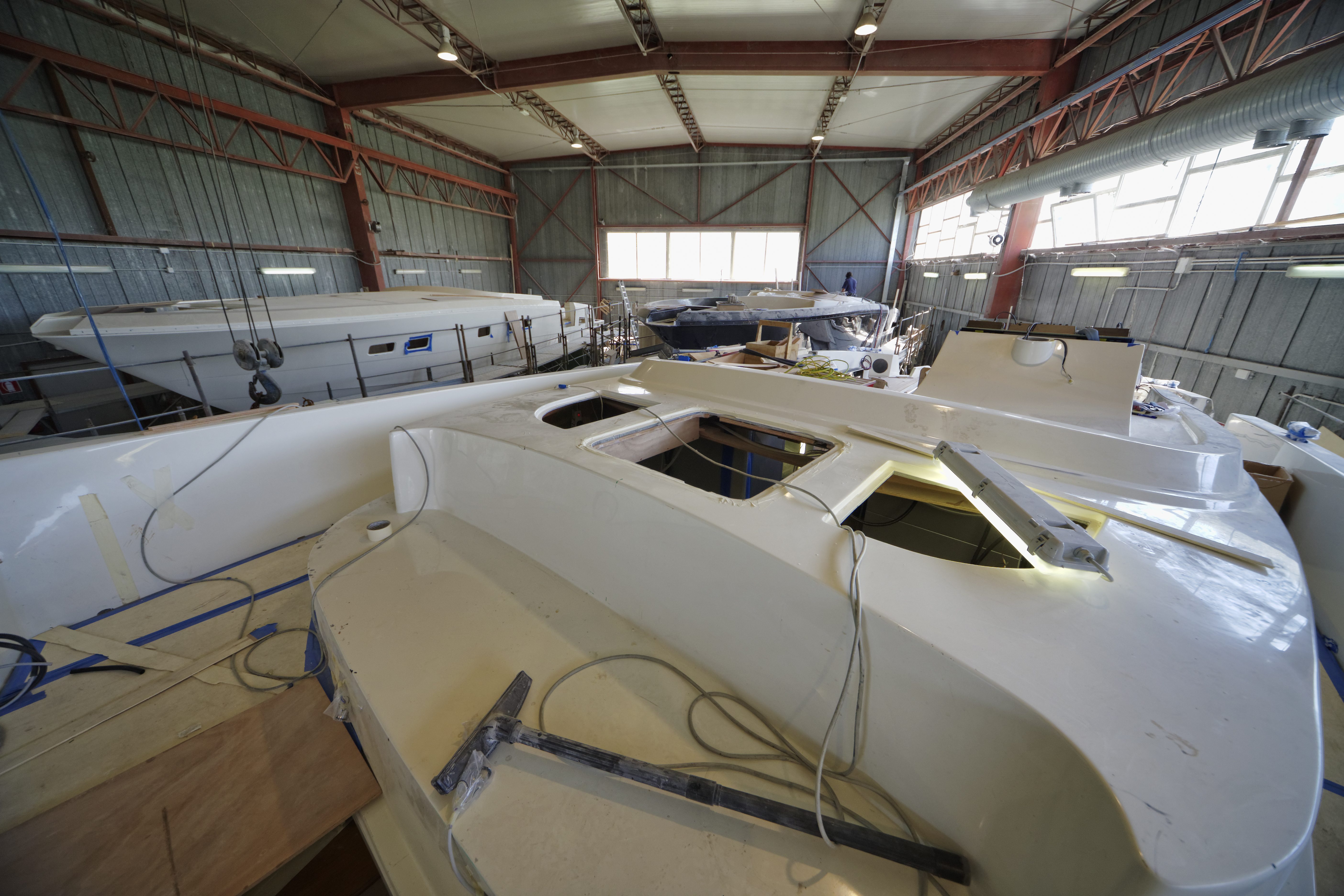
For many Rockwall boat owners, spring doesn’t just mean getting back on the water—it often comes with unexpected trailer repair bills. Flat tires, seized bearings, rusted brakes, and lighting issues are common after improper storage. The good news: most spring trailer repairs are preventable with the right storage setup and basic preparation.
Why Spring Is the Most Expensive Season for Trailer Repairs
Boat trailers often sit unused for months. During that time, small problems quietly grow. Common spring issues include:
- Tires cracking or flattening from sun exposure
- Bearings drying out or corroding from moisture
- Trailer lights failing due to corrosion or pests
- Brake parts rusting from inactivity
Trailers fail more often than boats because they’re exposed, stationary, and easy to overlook.
What Actually Breaks on Boat Trailers
Tires and Suspension
Problems usually start here:
- Flat spots from sitting in one position
- Sidewall cracking from sun and heat
- Uneven wear caused by improper weight distribution
These issues often require full replacement by spring.
Wheel Bearings and Axles
Bearings are vulnerable during storage:
- Moisture can seep in and cause corrosion
- Grease can dry out over time
- Seals can crack unnoticed
A failed bearing can turn a short tow into a roadside emergency.
Electrical Systems and Lights
Storage-related failures include:
- Corrosion at wiring connections
- Brittle insulation from heat exposure
- Rodent damage when trailers sit unattended
Lighting problems are one of the most common spring inspection failures.
Brakes, Couplers, and Winches
When unused:
- Brake components can seize
- Couplers can rust internally
- Winch straps and cables can weaken
These failures often surface during the first trip of the season.
How Improper Storage Leads to Repair Bills
Where and how your trailer is stored makes a big difference. Problems increase when trailers are:
- Parked on grass or soil that holds moisture
- Left uncovered in direct sunlight
- Stored far from home with no inspections
- Ignored for months at a time
Storage isn’t passive—conditions matter.
Choosing the Right Storage Setup
Open vs. Covered Trailer Storage
Open storage works for:
- Short-term storage
- Trailers used frequently
- Owners who inspect regularly
Covered storage helps:
- Reduce sun damage to tires and wiring
- Slow rust on metal components
- Protect trailers during long off-seasons
Covered options are ideal when trailers sit unused for several months.
Why Local Storage Matters in Rockwall
Storing nearby makes it easier to:
- Perform quick inspections
- Adjust tire pressure
- Respond after storms
- Reduce towing wear
Facilities like Royse City Secure Storage offer convenient access for Rockwall boat owners who want to monitor their trailers without long drives.
Pre-Storage Trailer Prep Checklist
Tire and Suspension Prep
- Inflate tires to recommended pressure
- Use tire covers to block sunlight
- Consider jack stands for long-term storage
Bearing and Axle Protection
- Inspect and grease bearings before storage
- Check seals for cracks or leaks
- Rotate wheels slightly during long storage periods
Electrical and Brake Safeguards
- Disconnect the wiring harness
- Inspect lights before storing
- Apply corrosion protection to connections
Hitch, Winch, and Hardware
- Lubricate couplers and moving parts
- Inspect winch straps or cables
- Secure loose hardware
A few hours of prep can prevent thousands in repairs.
Proper Positioning Inside Storage
- Park on a level, well-drained surface
- Avoid grass or soil contact
- Chock wheels securely
- Lock and stabilize the tongue jack
Stable positioning protects both tires and suspension.
Storage Habits That Prevent Spring Surprises
Mid-Storage Check-Ins
- Check tire pressure monthly
- Look for rust or moisture buildup
- Inspect for rodent activity
After Weather Events
- Inspect after heavy rain or storms
- Adjust covers if needed
- Re-check wheel chocks and supports
Small checks prevent big repairs.
Common Storage Mistakes to Avoid
- Leaving trailers uncovered all winter
- Ignoring tire pressure during storage
- Forgetting to disconnect wiring
- Skipping inspections because the boat isn’t in use
- Storing too far away to monitor easily
Most spring repair bills start with one of these mistakes.
Storage Costs vs. Repair Costs
Replacing or repairing:
- Tires
- Bearings
- Brakes
- Wiring
can quickly exceed the cost of proper storage. Preventive storage almost always costs less than spring repairs.
Why Rockwall Boat Owners Store Locally
Local storage offers:
- Faster access for inspections
- Less towing wear
- Easier seasonal prep
- Peace of mind during extended storage
Royse City Secure Storage provides open and covered trailer storage options designed to help local boat owners protect their trailers year-round.
Final Takeaway: Storage Is Preventive Maintenance
Boat trailer storage isn’t just about space—it’s about protection. Proper preparation, smart storage choices, and occasional check-ins dramatically reduce spring repair costs. A little effort before storage can save time, money, and frustration when boating season returns.
Royse City Secure Storage Blog - Helping Answer your Storage Questions!
Categories