
How Storage Facility Security Features Protect Your Belongings
How Storage Facility Security Features Protect Your Belongings
Habib Ahsan
March 17th, 2026
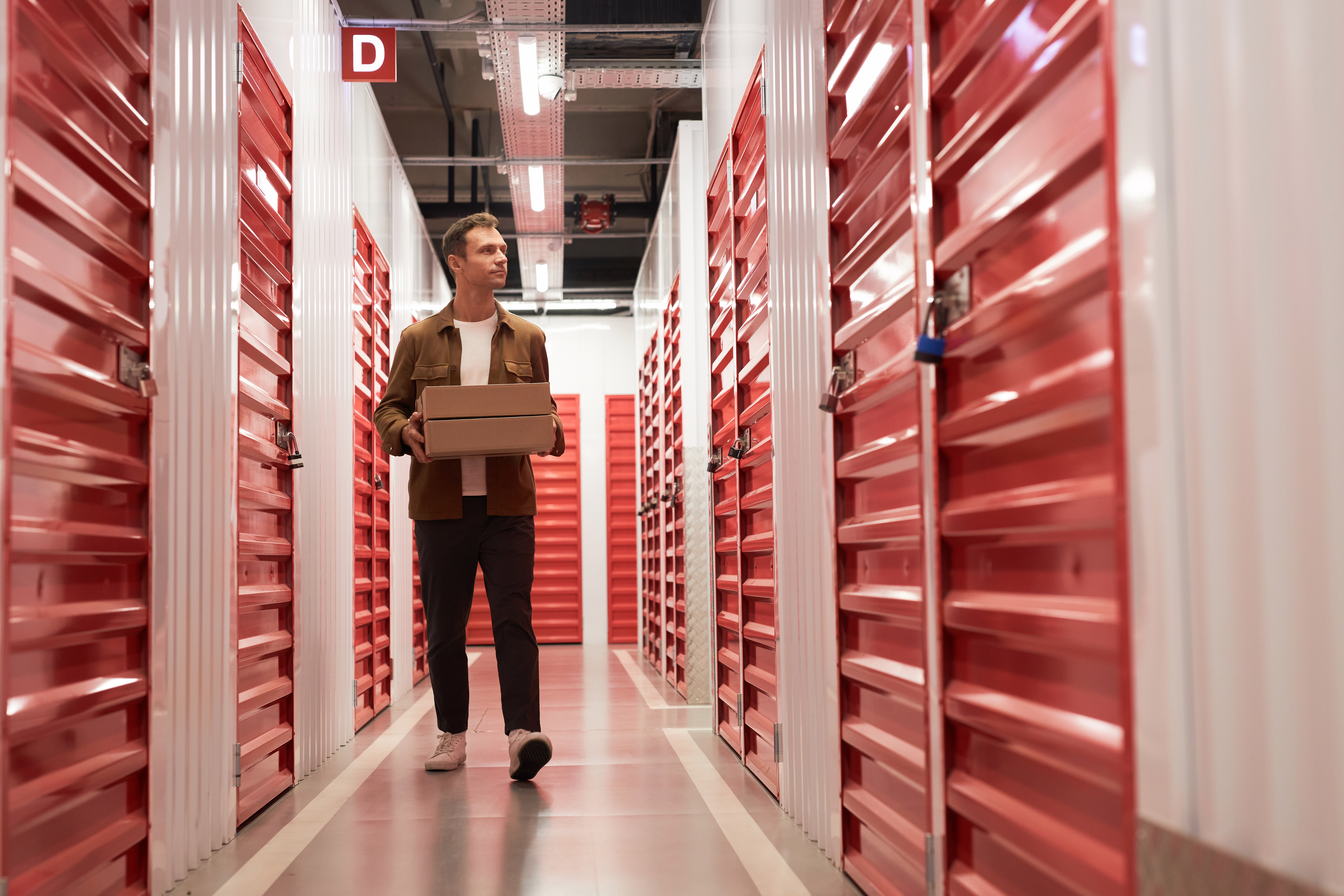
When choosing a storage unit, most people focus on size, price, and location. But security is just as important especially when storing furniture, electronics, documents, or personal items. Not all storage facilities offer the same level of protection. Understanding how storage security works can help you choose a facility that keeps your belongings safe.
Why Storage Security Matters
Storage units often hold items that are:
- Valuable
- Difficult to replace
- Sentimental
- Needed later for moving, work, or daily life
Without proper security, there is a higher risk of:
- Unauthorized access
- Theft
- Damage
That’s why modern storage facilities use multiple layers of protection, not just one feature.
What “Layered Security” Really Means
Good storage security is not based on a single feature. It works as a system where multiple protections support each other. A well-secured facility includes:
- Controlled entry (who can access the property)
- Monitoring (what is happening on-site)
- Physical protection (how units are secured)
- Visibility (lighting and layout)
Each layer adds another level of protection.
Controlled Access: Limiting Who Enters
PIN-Gated Entry Systems
Many facilities use keypad-controlled gates. These systems:
- Assign a unique access code to each renter
- Record entry and exit activity
- Limit access to authorized users only
This reduces the chance of unauthorized visitors.
Access Hours
Some facilities limit access to certain hours. This helps:
- Reduce activity during late-night hours
- Improve visibility and safety
- Allow better monitoring during open hours
Surveillance: Monitoring Activity
24/7 Camera Coverage
Modern facilities often use cameras to monitor:
- Entry and exit gates
- Drive aisles
- Building hallways
These systems:
- Record activity for review if needed
- Help discourage unwanted behavior
- Provide a record of who accessed the property
Camera Placement Matters
Effective surveillance depends on:
- Coverage of key areas
- Minimal blind spots
- Clear visibility in both daylight and nighttime
Well-placed cameras improve overall security.
Physical Protection of Storage Units
Strong Unit Construction
Storage units are designed to protect contents. Features often include:
- Solid doors
- Secure frames
- Proper sealing
These help prevent easy access or damage.
Lock Quality
The lock you choose plays an important role. Common secure options include:
- Disc locks (harder to cut)
- Cylinder locks (internal locking systems)
Basic padlocks may be easier to break, so choosing the right lock matters.
Your Role as a Renter
Even with strong facility security, renters should:
- Lock units properly every time
- Avoid sharing access codes
- Keep valuables out of plain view
Security works best when both the facility and renter take part.
Lighting and Visibility
Well-Lit Facilities
Good lighting improves both safety and security. Lighting helps:
- Cameras capture clear footage
- Customers see clearly when visiting
- Reduce dark areas where activity is harder to monitor
Safer Access for Customers
Proper lighting also makes:
- Early morning visits easier
- Evening access safer
- Navigation around the property simpler
Facility Layout and Design
Controlled Entry Points
Facilities with limited entry points are easier to monitor. This means:
- Fewer access locations
- Better tracking of activity
- More controlled movement on-site
Wide Drive Aisles
Wider aisles improve:
- Visibility
- Traffic flow
- Camera coverage
They also make it easier to move large items safely.
Clean and Maintained Property
A well-maintained facility often indicates:
- Active management
- Regular monitoring
- Attention to detail
Cleanliness is often a sign of consistent oversight.
On-Site Management
Staff Presence
Facilities with on-site staff provide an added layer of security. Staff can:
- Monitor daily activity
- Assist customers
- Identify unusual behavior
Regular Oversight
Active management helps ensure:
- Security systems are functioning
- Property is maintained
- Issues are addressed quickly
How All Security Features Work Together
Strong storage security is built on multiple layers working together. For example:
- The gate controls who enters
- Cameras monitor activity
- Lighting improves visibility
- Locks secure individual units
Together, these features reduce risk and improve overall protection.
Common Misconceptions About Storage Security
Some renters assume:
- A lock alone is enough
- All storage facilities offer the same protection
- Short-term storage doesn’t require security
- Indoor units are automatically safer
In reality, security varies between facilities, and multiple factors work together to protect belongings.
How to Evaluate a Storage Facility
Before renting, take a few minutes to check:
- Is the property gated?
- Are cameras visible and properly placed?
- Is the facility well-lit?
- Is the property clean and maintained?
You can also ask:
- How is access controlled?
- Are cameras recording or just monitoring?
- What type of lock is recommended?
These questions help you make a more informed choice.
Simple Steps You Can Take for Extra Protection
Even in a secure facility, small steps can make a difference.
Choose a Strong Lock
- Use a disc or cylinder lock
- Avoid basic padlocks
Keep Your Unit Organized
- Store valuable items toward the back
- Avoid leaving items visible near the door
Keep a Simple Inventory
- List what you store
- Take photos if needed
- Helps track your belongings over time
Final Takeaway
Storage security is not just one feature — it’s a system of protections working together. From gated entry and cameras to lighting and strong locks, each layer plays a role in keeping your belongings safe.
Royse City Secure Storage Blog - Helping Answer your Storage Questions!
Categories