
How to Prepare Your Boat for Storage Between Lake Seasons
How to Prepare Your Boat for Storage Between Lake Seasons
Habib Ahsan
May 11th, 2026
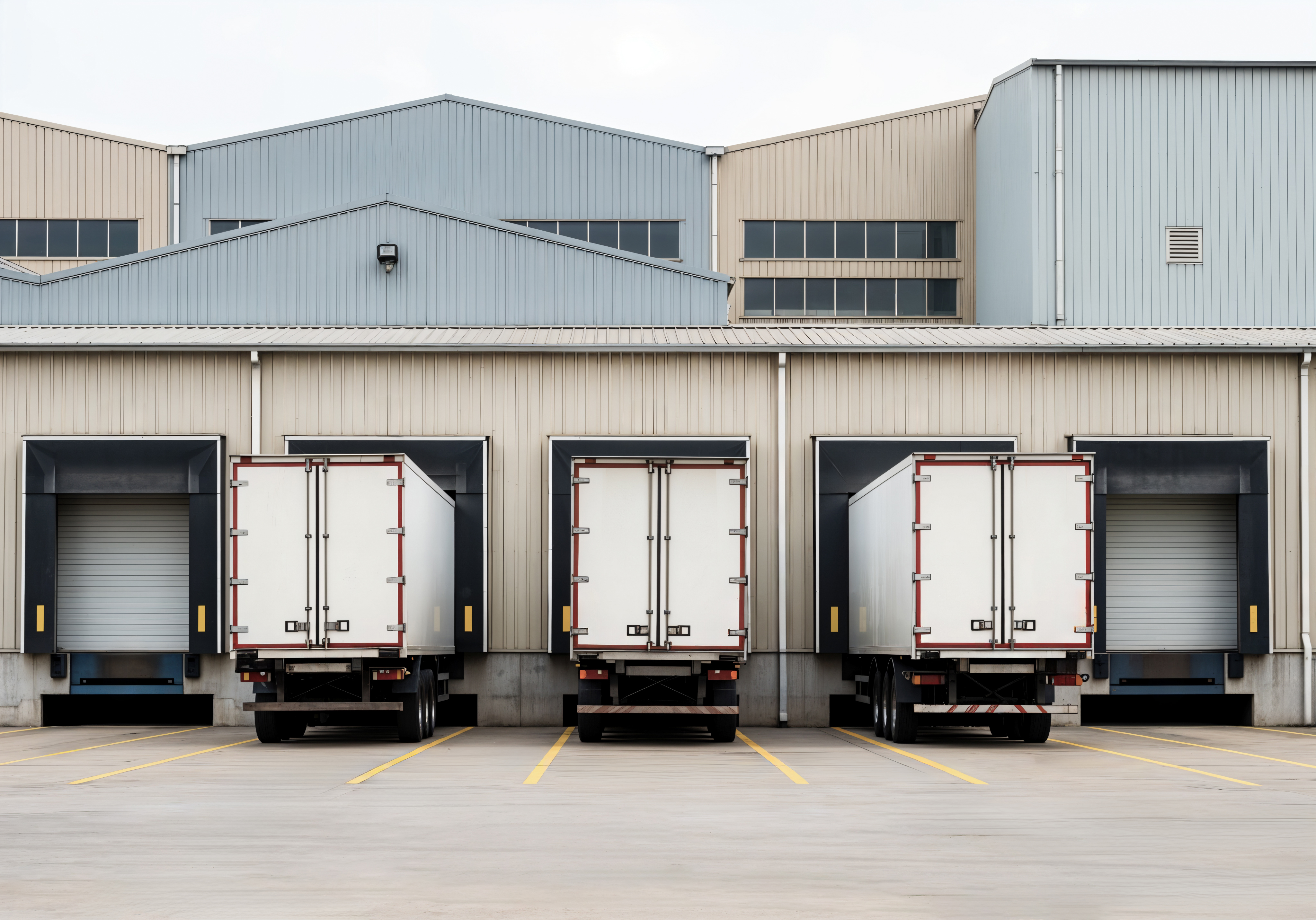
Lake Ray Hubbard is practically in the backyard for boaters across Rockwall, Royse City, and the surrounding communities. When the season winds down, and the boat comes out of the water, what happens next matters more than most owners realize. Knowing how to prepare your boat for storage properly is the difference between pulling it out next spring ready to run — and spending the first warm weekends dealing with preventable repairs.
This guide walks through every step of the process, from engine care to hull protection to choosing the right storage setup. Take it one section at a time, and you'll have your boat tucked away correctly without anything important getting missed.
Why Off-Season Preparation Prevents Expensive Repairs
The damage that shows up in spring usually starts in the fall. Moisture left in the engine block can cause cracking when temperatures drop. Fuel left in the tank without a stabilizer breaks down into a varnish that clogs fuel lines and carburetors. A hull that wasn't waxed before storage develops oxidation that's difficult to reverse. None of these problems is dramatic when they start — they're slow, quiet, and entirely preventable.
In North Texas, the window between lake season and genuinely cold weather is relatively short — but temperatures do drop enough through December and January to cause real damage to an unprepared engine. Royse City, Fate, Lavon, and the surrounding communities all experience freezes that catch boat owners off guard when storage prep was skipped or rushed. The investment of a few hours at the end of the season protects a vehicle worth thousands of dollars. That math makes this checklist worth working through carefully.
Engine and Mechanical Prep: Start Here
The engine is the most important thing to get right before storage. Skipping these steps creates the most expensive repair scenarios. Work through them in order:
Flush the Engine With Fresh Water
Even on freshwater lakes like Ray Hubbard, the engine picks up sediment, algae, and debris through the cooling system over a full season. Flushing thoroughly with fresh water clears all of that out before it has months to sit and cause corrosion. Run the engine on a freshwater supply until the water coming out of the exhaust runs completely clear.
Change the Engine Oil and Filter
Used engine oil contains combustion byproducts and moisture that become acidic over time. Storing a boat for months with degraded oil accelerates internal engine wear. Change the oil and filter before storage — not in the spring — so the engine sits in clean oil all winter. Run the engine briefly after the change to circulate fresh oil through all the components.
Stabilize the Fuel System
Fuel left sitting for months without a stabilizer breaks down and leaves behind gummy deposits that clog fuel lines, injectors, and carburetors. Add a fuel stabilizer rated for the storage period you're planning, then run the engine for several minutes to distribute it through the entire fuel system. Fill the tank close to full as well — a partially empty tank invites moisture condensation.Additional mechanical steps to complete before storage include:
- Fog the cylinders with engine fogging oil to prevent internal corrosion during storage
- Replace the fuel filter if it hasn't been done recently in the season
- Check and top off gear oil in the lower unit
- Disconnect and remove the battery; store it on a trickle charger or in a temperature-stable location
- Grease all fittings, pivot points, and steering components to prevent seizing
Draining and Moisture Control Across the Entire Boat
Standing water in any part of a boat during storage creates mold, mildew, and structural damage over time. This step is especially important in the Royse City and Rockwall area, where late fall and winter can bring enough humidity to keep moisture problems alive even in storage. Go through the entire boat and drain or dry out every system that holds water:
- Drain and dry the bilge completely — leave the bilge plug out during storage to prevent water from accumulating
- Flush and drain livewells, baitwells, and any freshwater systems on board
- Open all storage compartments and let them air out before closing the boat for storage
- Place moisture-absorbing products inside the cabin or enclosed areas if your boat has them
- Remove all life jackets, cushions, ropes, and fabric gear — store these indoors separately
Hull and Exterior: Protect the Investment You Can See
The hull takes constant abuse during the season — sun, water, wake wash, and dock contact. Sending it into storage without proper care accelerates oxidation and surface damage. A few hours of attention at the end of the season keep the exterior in solid condition for years.
Work through these steps before the boat goes into storage:
- Wash the entire hull, deck, and trailer with soap and water — remove all algae, waterline staining, and debris
- Apply a coat of marine wax to the hull to protect against UV damage and oxidation during storage
- Inspect the hull for any cracks, chips, or stress fractures — address these before storage, not in spring when time is tight
- Remove and inspect the drain plug; replace it if it shows wear
- Check trailer tires for inflation, cracking, and uneven wear before towing the boat to its storage location
- Inspect trailer lights, hitch, and safety chains while the boat is still easy to access
Covering the Boat: What Works and What Doesn't
A proper boat cover is one of the best investments you can make for long-term storage. A well-fitted cover keeps dust, debris, bird droppings, and moisture off the interior and hull. It also slows UV degradation on any exposed surfaces that the wax doesn't fully protect. Avoid cheap tarps that trap moisture underneath — they do more damage than good in humid conditions. A cover designed for your boat's make and model fits properly, breathes appropriately, and stays secured in wind without flapping and chafing against the gelcoat. If your current cover is worn, cracked, or no longer fits well, replace it before this storage season rather than after. For boats stored outdoors or in open-air parking, a covered storage space adds a layer of protection that the cover alone can't provide. Sun exposure accumulates over months of storage in ways that aren't visible until the gelcoat has already faded and oxidized.
How to Prepare Your Boat for Storage at the Right Facility
Once the boat is fully prepped, where you store it matters. Boaters near Royse City, Rockwall, Caddo Mills, and Nevada have access to Royse City Secure Storage on FM 35 — a facility with covered and uncovered boat and RV parking designed for exactly this kind of long-term seasonal storage. Covered parking spaces protect against hail, sun, and debris during the off-season. Wide driveways make it easy to maneuver a boat trailer in and out without tight turns or tight spots. The facility is fully fenced and gated with surveillance cameras throughout, so the boat is secure between visits. And with 24/7 access every day of the year, you can check on your boat or prepare it for an early spring launch without waiting for office hours.
Vehicle and boat parking spaces start at $47 per month, with new customers receiving 50% off their first two full months. Tenant insurance is also available for renters who want added coverage on a high-value asset while it's in storage.
Reserve Your Boat Storage Space Before the Season Ends
Covered boat parking fills up as the season winds down. Reserving your space before the last trips of the year means you have a secure, covered spot waiting when the boat is ready to come in. Check available spaces and get started through the online reservation page — the process takes just a few minutes. Not sure whether a covered or uncovered space is the right fit? The storage size guide gives you a clear comparison of available options so you can choose what works for your boat and your budget before you arrive. Get in touch
Royse City Secure Storage Blog - Helping Answer your Storage Questions!
Categories