
Indoor vs Outdoor Storage Units: Which Is Right for Your Situation?
Indoor vs Outdoor Storage Units: Which Is Right for Your Situation?
Habib Ahsan
March 19th, 2026
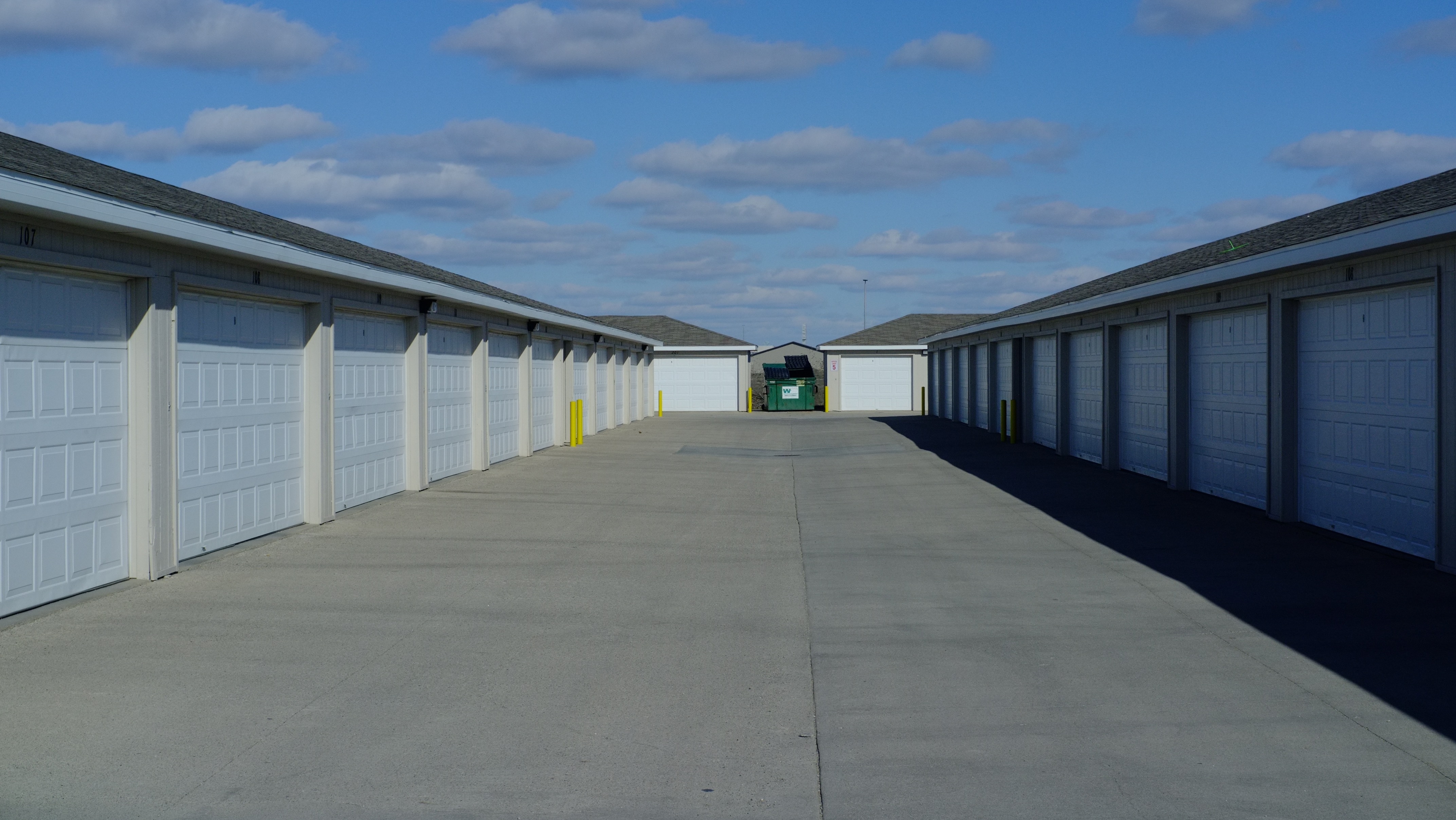
Choosing the right storage unit isn’t just about size or price. One of the most important decisions is whether to use indoor (climate-controlled) or outdoor (drive-up) storage. Each option serves a different purpose. The best choice depends on what you’re storing, how long you’re storing it, and how often you need access. This guide breaks it down so you can choose with confidence.
Why Storage Type Matters
The type of unit you choose affects:
- How well your items are protected
- How easy it is to access your belongings
- How much you pay each month
- How your items hold up over time
Choosing the wrong type can lead to inconvenience or damage, especially in areas with extreme weather.
What Is Outdoor (Drive-Up) Storage?
Outdoor storage units are located at ground level and allow you to drive your vehicle directly to the door.
Key Benefits
- Quick loading and unloading
- No stairs, hallways, or elevators
- Ideal for heavy or bulky items
When Outdoor Storage Works Best
Outdoor units are a good fit if you need:
- Frequent access
- Short-term storage
- A simple moving solution
They’re commonly used for:
- Moving between homes
- Storing garage items
- Keeping tools or equipment
What Is Indoor (Climate-Controlled) Storage?
Indoor storage units are located inside a building and maintain more stable temperature and humidity levels.
Key Benefits
- Protection from heat and humidity
- Cleaner environment
- Better conditions for long-term storage
When Indoor Storage Makes Sense
Indoor units are best if you’re storing:
- Sensitive items
- Valuable belongings
- Items for several months or longer
They provide a more controlled environment for items that can be affected by temperature changes.
Key Differences Between Indoor and Outdoor Storage
Access and Convenience
- Outdoor units allow direct vehicle access
- Indoor units may require walking through hallways or using carts
If speed and convenience matter most, outdoor storage is usually easier.
Protection From Weather
- Outdoor units are exposed to outside temperatures
- Indoor units offer more stable conditions
This is especially important in hot or humid climates.
Cleanliness
- Indoor units are typically cleaner and more controlled
- Outdoor units may be exposed to dust or debris
Cost
- Outdoor units are usually more affordable
- Indoor units cost more due to added protection
The price difference often reflects the level of protection provided.
Matching Storage Type to Your Items
Best Items for Outdoor Storage
Outdoor units work well for durable items such as:
- Furniture that is not sensitive to temperature
- Tools and equipment
- Lawn and garden items
- Plastic storage bins
- Seasonal decorations
Best Items for Indoor Storage
Indoor units are better for items that can be affected by heat or moisture:
- Electronics
- Important documents
- Photos and keepsakes
- Wooden furniture
- Clothing and fabrics
- Musical instruments
If items are valuable or difficult to replace, indoor storage is often the safer choice.
Climate Matters More Than You Think
In areas with high heat or humidity, storage conditions can change quickly.
Heat Can Affect:
- Wood (warping or cracking)
- Electronics (internal damage)
- Fabrics (fading or odor buildup)
Humidity Can Cause:
- Mold or mildew
- Paper damage
- Moisture buildup in fabrics
When Climate Control Is Important
Consider indoor storage if:
- You’re storing items for more than a few months
- You’re storing items during summer
- Your items are sensitive to temperature or moisture
How Often Will You Access Your Unit?
Your access needs should influence your decision.
Frequent Access
Outdoor storage is usually better if you:
- Visit your unit often
- Need quick access
- Store tools or equipment
Occasional Access
Indoor storage works well if:
- You don’t need frequent access
- You’re storing long-term
- You’re storing items you won’t need right away
Short-Term vs Long-Term Storage
Short-Term Storage (1–3 Months)
- Outdoor storage is often enough
- Lower cost for temporary needs
Long-Term Storage (3+ Months)
- Indoor storage helps protect items over time
- Reduces wear from temperature changes
Cost vs Protection
There is always a balance between cost and protection.
- Outdoor units cost less but offer less protection
- Indoor units cost more but reduce risk of damage
If your items are valuable, replacing them may cost more than upgrading your storage type.
Common Mistakes to Avoid
- Using outdoor storage for sensitive items long-term
- Paying for climate control when storing durable items
- Ignoring local weather conditions
- Choosing based only on price
Taking a few minutes to match your needs to the right unit can prevent problems later.
When Using Both Types Makes Sense
Some people use a mix of both storage types. For example:
- Outdoor unit for tools or furniture
- Indoor unit for electronics and documents
This approach can help balance cost and protection.
Quick Decision Checklist
Before choosing a unit, ask yourself:
- What items am I storing?
- Are any items sensitive to heat or moisture?
- How often will I need access?
- How long will I store these items?
- What is my budget?
Clear answers make the decision easier.
Final Takeaway
Indoor and outdoor storage units are designed for different needs. Outdoor units offer convenience and lower cost, while indoor units provide better protection. Choosing the right type depends on your items, how long you’re storing them, and how often you’ll need access. Matching your storage type to your situation helps protect your belongings and makes storage easier to manage.
Royse City Secure Storage Blog - Helping Answer your Storage Questions!
Categories