
What Is Gated Access Storage and Why It Matters
What Is Gated Access Storage and Why It Matters
Habib Ahsan
April 1st, 2026
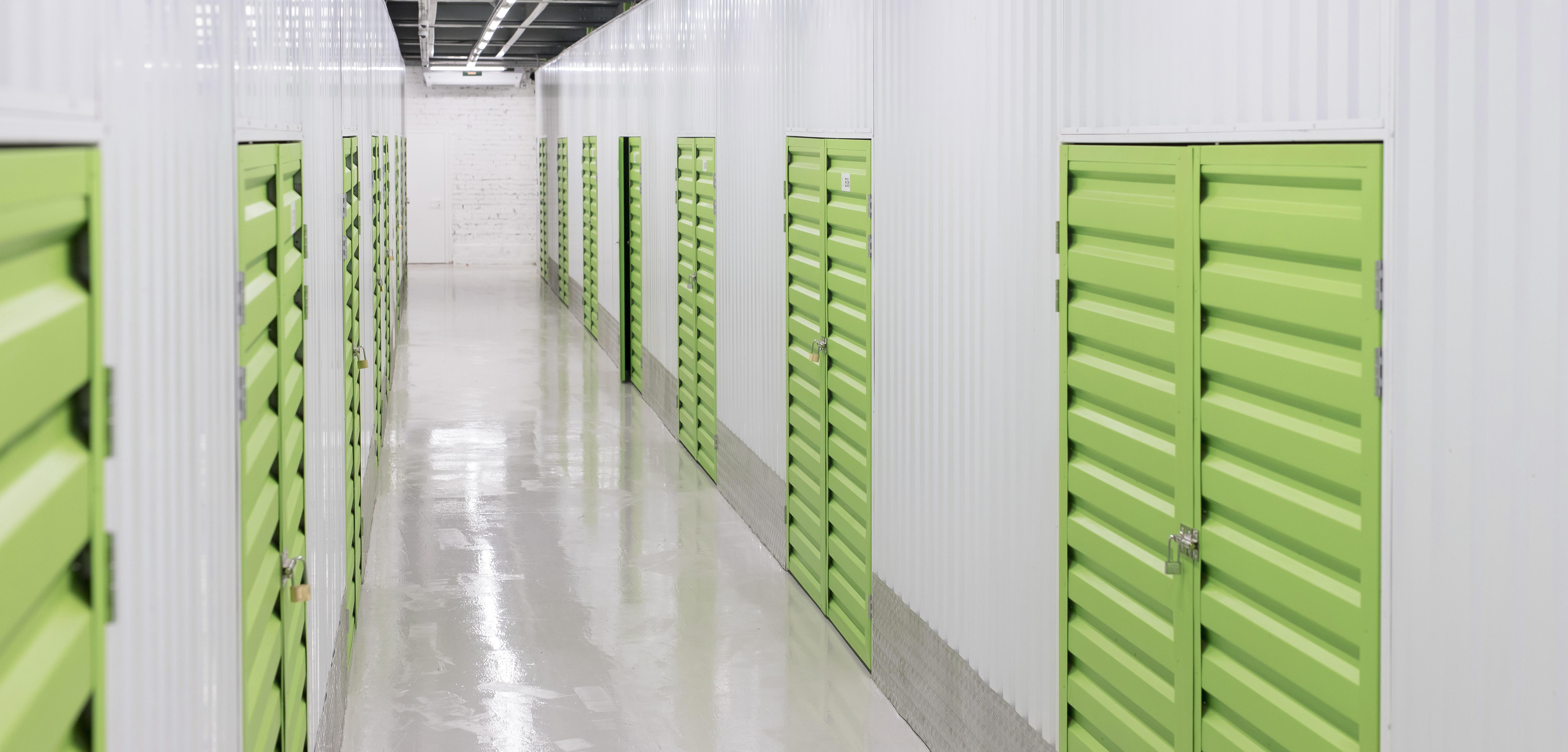
When comparing storage options, you’ll often see the term “gated access.” But a gate alone doesn’t explain how a facility actually protects your belongings. Gated access storage is about controlled entry, not just a physical barrier. Understanding how it works can help you choose a storage facility that offers real security—not just basic access.
What Is Gated Access Storage?
Gated access storage means the property is secured by an entry gate that only opens for authorized users. Instead of open access, customers must:
- Enter a personal access code
- Use a keycard or approved entry method
- Be registered with the facility
The goal is simple: limit who can enter and track activity on-site.
How Gated Access Systems Work
Entry Process
Most facilities use a keypad system.
- You receive a unique access code (PIN)
- You enter the code at the gate
- The gate opens only if the code is valid
Exit Process
Depending on the facility:
- You may enter your code again
- Or exit through an automatic sensor
Either way, entry and exit activity can be tracked.
Activity Tracking
Many systems log:
- Date and time of entry
- Which access code was used
This creates a record of who accessed the property and when.
Types of Gated Access Systems
PIN-Based Keypad Entry
- Most common system
- Each renter has a unique code
- Tracks individual access activity
Keycard or Fob Access
- Uses a physical card or device
- Can be disabled if lost
Mobile or App-Based Access
- Entry through a smartphone
- Allows digital control of access
Why Gated Access Matters
Limits Unauthorized Entry
Only people with approved access can enter the property. This reduces random or untracked visitors.
Adds Accountability
Each access event is tied to a specific code or user. This helps monitor activity and adds a level of responsibility.
Acts as a Deterrent
A controlled entry system signals that the facility takes security seriously, which can discourage unwanted activity.
Gated Access Is Part of a Larger Security System
A gate works best when combined with other features.
Common Security Layers Include
- Video monitoring
- Property lighting
- Secure unit construction
- Quality locks
- On-site management
Each layer plays a different role:
- The gate controls entry
- Cameras monitor activity
- Locks secure individual units
Together, they provide better overall protection.
When Gated Access Makes the Biggest Difference
Frequent Access
If you visit your unit often, controlled entry ensures that only authorized users are on the property.
Long-Term Storage
For items stored over months or longer, limited access reduces ongoing exposure to risk.
Early or Late Visits
Controlled access helps maintain a more secure environment during times when fewer people are present.
Common Misconceptions About Gated Storage
Some renters assume:
- A gate alone guarantees full security
- All gated facilities offer the same protection
- Once inside, everything is equally secure
In reality:
- Not all gates are the same
- Security depends on how systems are used and maintained
- Multiple features work together to protect belongings
Limitations to Be Aware Of
Gated access improves security, but it’s not the only factor.
Shared Responsibility
Renters should:
- Keep access codes private
- Avoid allowing others to enter behind them
Tailgating
Sometimes vehicles follow others through the gate. Good facilities monitor this, but awareness helps reduce risk.
Locks Still Matter
The gate protects the property, but your unit still needs a strong lock.
How to Evaluate Gated Access at a Storage Facility
Before renting, take a quick look at how the system works.
What to Check
- Is the gate in good condition?
- Does the keypad or system work smoothly?
- Is access clearly controlled?
Questions to Ask
- Are access codes unique for each renter?
- Is entry activity tracked?
- Are access hours limited or controlled?
- How is unauthorized entry handled?
These answers can help you compare facilities more effectively.
Best Practices for Renters
Even in a secure facility, small steps can make a big difference.
Protect Your Access Code
- Do not share it
- Report issues if it’s compromised
Use the Gate Properly
- Wait for the gate to fully close
- Avoid letting unknown vehicles follow you
Secure Your Unit
- Use a strong lock
- Double-check your unit before leaving
Gated vs Non-Gated Storage
Gated Storage
- Controlled entry
- Activity tracking
- Added security layer
Non-Gated Storage
- Open access
- Less control over who enters
- Limited tracking
Gated facilities generally provide a higher level of control and visibility.
Final Takeaway
Gated access storage is more than just a gate—it’s a system designed to control entry and monitor activity. When combined with other security features, it helps protect your belongings and gives you greater peace of mind. When choosing a storage unit, look beyond the label. Focus on how access is managed, not just whether a gate is present.
Royse City Secure Storage Blog - Helping Answer your Storage Questions!
Categories